If you are pricing walk-in tub cost St. Louis homeowners usually run into, the number on the brochure is rarely the number on the final invoice. This guide covers typical installed ranges, what moves the price in older brick homes, and how to compare quotes fairly. Every figure here is a general range, and your written quote is what counts.
Key takeaways
- Most installed walk-in tubs in the St. Louis area typically land between $6,000 and $15,000, with jets, plumbing changes and wall repair pushing higher.
- The tub is only part of the price. Drain lines, water heater capacity, electrical and wall finishing often decide the total.
- A walk-in tub is not right for everyone. A low-threshold shower is often cheaper and easier to use, so it is worth comparing both.
- A measured written quote after a home visit is the only reliable number.
Walk in tub cost St. Louis: typical price ranges
Most walk-in tub projects in the St. Louis metro typically land between $6,000 and $15,000 with installation included. A basic soaker model in a bathroom with straightforward plumbing sits toward the low end. A tub with air or hydrotherapy jets, a quick-drain system, and some wall or floor repair sits toward the high end.
Projects can go past $15,000 when the bathroom needs real work around the tub, such as moving the drain, adding a dedicated electrical circuit, or rebuilding a rotted subfloor. That is not common, but it happens more often in homes built before 1970 than in newer ones.
You will see lower prices advertised, usually for the tub alone. The tub itself often runs a few thousand dollars before anyone touches your bathroom. Always ask whether a number includes removal of the old tub, plumbing, electrical, wall surround, disposal and permits.
What an installed price should include
When a quote says installation included, it should spell out what that means. A walk-in tub is heavier and more particular than a standard tub, and the work around it matters as much as the unit.
A complete written quote typically covers the items below. If one is missing, ask about it before you sign.
- Demolition and haul-away of the old tub and surround
- The walk-in tub unit, door, seat, grab bars and faucet set
- New drain and overflow connections, plus any needed supply line work
- Electrical work if the tub has jets, a heater, or a powered seat or door
- Wall finishing around the tub, such as a new wall system, tile repair or waterproofing
- Permits where your city or St. Louis County requires them
- Final testing for leaks, fill time and drain time
Typical installed price ranges in the St. Louis area
| Project | Typical installed range | Typical install time | Often a good fit when |
|---|---|---|---|
| Walk-in soaker tub | $6,000 to $12,000 | 1 to 3 days | You want a deep soak and easy entry |
| Walk-in tub with air or hydro jets | $9,000 to $15,000+ | 2 to 3 days | Joint relief matters and you will keep up the maintenance |
| Tub-to-shower conversion with low threshold | $4,000 to $10,000 | 1 to 2 days | You mostly shower and want the simplest, safest entry |
| Walk-in shower with bench and grab bars | $6,000 to $14,000 | 1 to 3 days | You want more room and a fully accessible layout |
What pushes the price up in older St. Louis homes
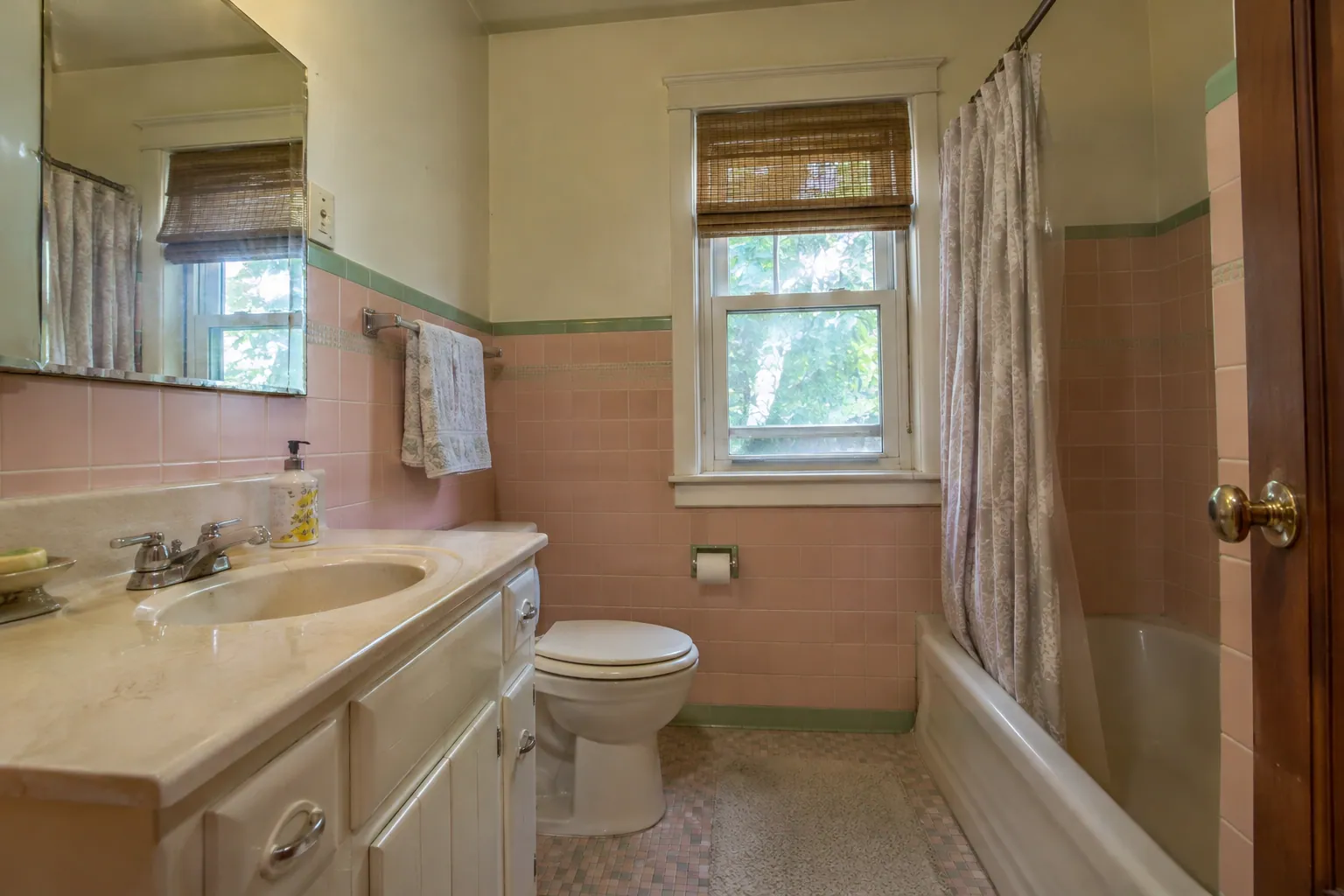
Many of our homes were built between the 1940s and the 1970s. That brings charm, and it also brings surprises behind the tub. Knowing what they are helps you budget a sensible cushion.
Old drain lines are the most common one. Cast-iron drains can be cracked or badly scaled, and galvanized supply pipes can be restricted by decades of mineral buildup from our hard water. A walk-in tub fills and drains in volume, so weak plumbing shows up fast. Replacing a section of line adds cost, but it is far cheaper than doing it after the new tub is in.
Walls are the next one. Plaster over lath, tile set in mortar beds, and original cast-iron tubs that are hard to remove all add labor. Exterior walls in bungalows and split-levels may also have little insulation, which matters for a tub you will sit in while it fills. Finally, a damp or musty bathroom in a humid St. Louis summer can hide mold behind the old surround. If we find it, it gets fixed before anything new goes in.
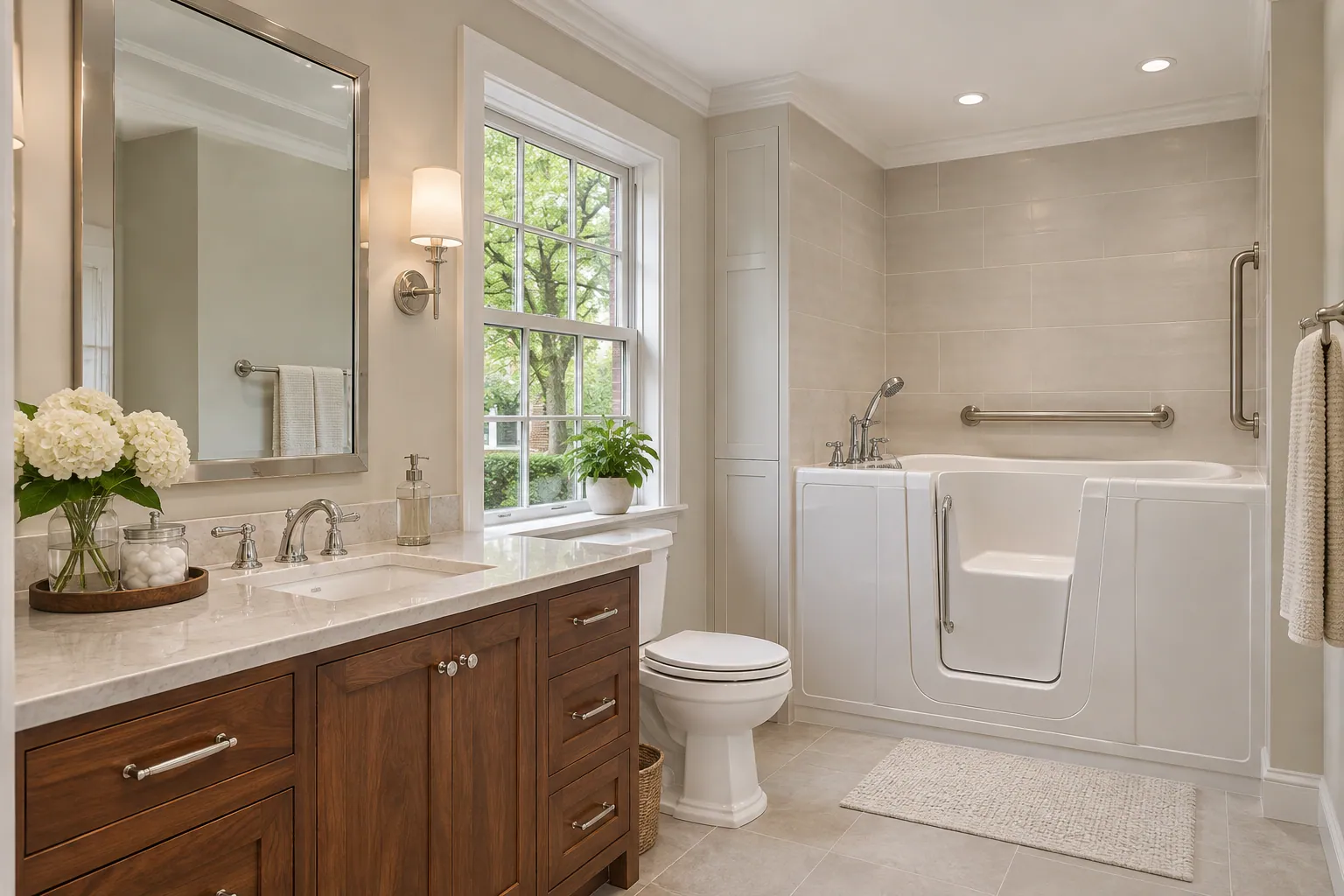
Types of walk-in tubs and how they affect cost
Walk-in tubs come in a few basic styles, and the style drives much of the price. Soaker models are the simplest, with a watertight door, a built-in seat and a deep basin. They cost the least and have the fewest parts that can fail.
Air-jet and hydrotherapy models add pumps and plumbing, and they typically add several thousand dollars. They can feel good on stiff joints, but they also need electrical work and regular cleaning. Hard water leaves scale in jet lines, so a maintenance routine matters more than the brand name.
Quick-drain models are worth asking about. A standard walk-in tub makes you stay seated until the water has drained, which can take several minutes. Faster drain systems shorten that wait, and many people consider them the most useful upgrade.
Will it fit your bathroom?
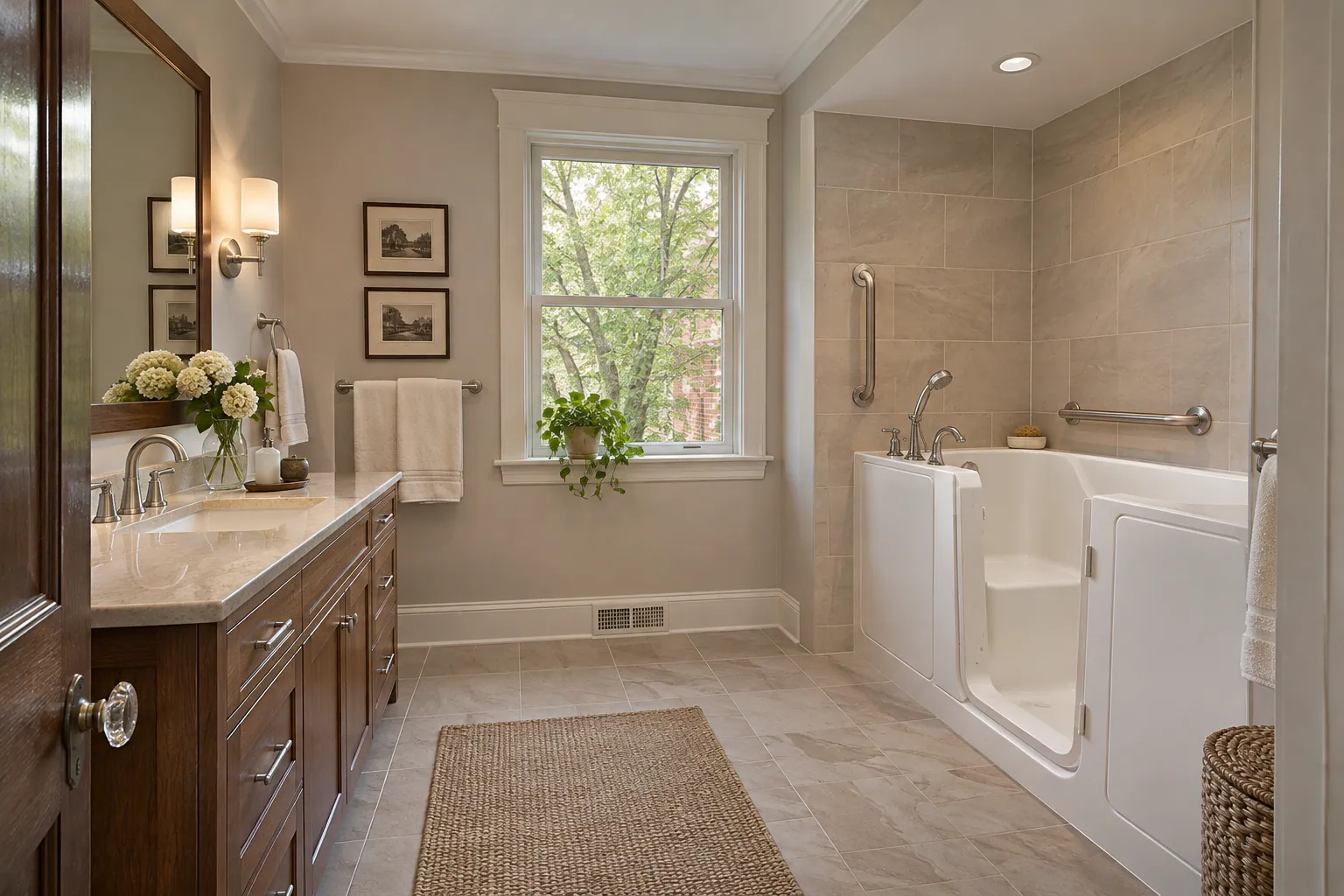
A typical walk-in tub is deeper and taller than a standard tub, with sides often around 38 to 42 inches high, and the door swings or slides inward. Many models run about 48 to 60 inches long. In a classic 5x8 hall bath, a 60-inch tub can fit, but you need clear floor space to open the door and to step in safely.
Water heater capacity is the detail people miss. Many walk-in tubs hold 50 gallons or more, and you sit in the tub while it fills. If your water heater is small or old, the water may cool before you are done. Ask for the tub's gallon capacity and compare it with your heater before you commit.
Floors matter too. A full tub is heavy, and the subfloor in an older bathroom should be solid. We check for soft spots during the home visit, since a basement bath on a slab and a second-floor bath on wood joists need different handling.
Walk-in tub or low-threshold shower?
A walk-in tub is a good fit if you love a deep soak and have trouble getting over a standard tub wall. It is not ideal for everyone. You have to wait for it to fill and drain, the door needs a good seal, and the unit takes up more room than a shower.
For many homeowners over 45 who simply want safer, easier bathing, a low-threshold shower does the job at a similar or lower cost. You walk in without stepping over a tub wall, add a bench and grab bars, and you are done in a few minutes. Converting a tub to a shower is also one of the most common projects we see in St. Louis bungalows and ranches.
If you cannot decide, think about how you actually bathe. If you take a shower most days and a soak a few times a year, a shower is usually the better value. If a daily soak helps with pain or stiffness, a walk-in tub earns its place.
Cost comparison: walk-in tub and the alternatives
The ranges below are typical for the St. Louis area and are meant only to help you compare. Your measured written quote is what counts.
How to compare walk-in tub quotes
Ask each company for a written, itemized quote after they have seen your bathroom. A price given over the phone cannot account for your drain line, subfloor or water heater. Line up the quotes item by item rather than by the bottom number.
Confirm that the installers are licensed and insured, and ask who pulls the permit where one is required. Ask about the warranty on the tub and on the labor, and get the terms in writing. Be wary of any offer that expires tonight. A good remodeler is comfortable letting you think it over.
Also ask what happens if something unexpected turns up behind the wall. A clear answer, such as a stated price for rot repair or a drain replacement, is a good sign. A vague one often turns into a change order later.
The bottom line
If you are weighing a walk-in tub against a low-threshold shower, the easiest next step is a free design visit, either in your home or by video. We measure the bathroom, look at the drain lines, subfloor and water heater, and talk through how you actually bathe. You then get a written quote with the work itemized, so you can compare it against any other you have. There is no pressure to decide that day. Take the time you need, ask whatever questions come up, and choose the option that fits your home and your budget.